

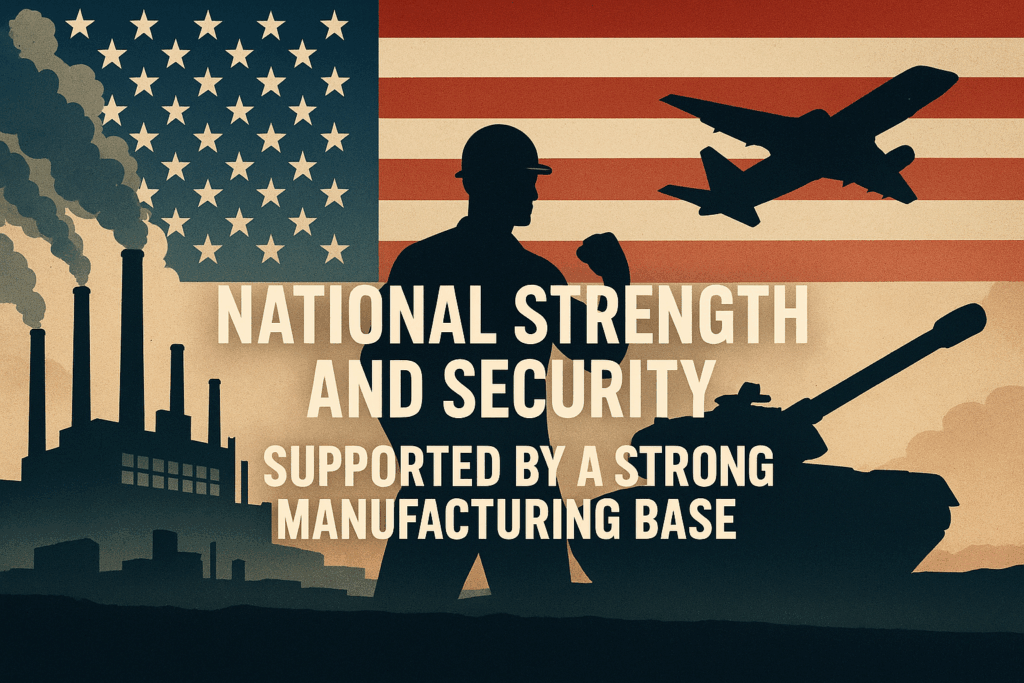
Did you know the first foundry in what was to eventually become the United States, opened it’s doors in the year 1640? For almost 500 years, foundries have forged the backbone of American industry. Metal casting—turning molten metal into essential parts for cars, aircraft, and heavy machinery—is a symbol of strength and ingenuity.
Today, however, that strength is fading. Across the United States, the skilled tradespeople who keep this industry alive are disappearing, leaving behind a growing void that threatens both industrial capacity and economic stability.
Background and Perspective
Metal casting remains one of the most complex and essential processes in modern manufacturing. It demands technical precision, metallurgical knowledge, and hands-on experience that machines alone cannot replicate.
Much of the skill was built through years of practice and passed from one generation to the next. When a veteran foundryman retires, decades of insight about alloys, molds, and problem-solving often retire with them.
This decline is the result of several factors:
-
- A generation of highly skilled workers is aging out of the trade, while few younger people are stepping in to replace them.
- The vocational schools and apprenticeships that once fed the industry have dwindled and dried up, leaving a broken training pipeline.
- Cultural attitudes have shifted. While the tide is changing, many young people are encouraged to pursue four-year degrees, while skilled trades are often dismissed as outdated—even though modern foundries now rely on advanced digital modeling and precision metallurgy.
The Big Issue
The effects of globalization have compounded the problem. As manufacturing moved overseas, many U.S. foundries closed, taking local expertise with them. In towns that once revolved around metals work, few young people now see a future in casting.

Automation has helped in some areas, but it has also deepened the misconception that machines can replace human craftsmanship. In reality, automation depends on skilled operators who can interpret data, recognize subtle process issues, and make decisions in real time.
The consequences of this workforce decline are already visible. With fewer experienced workers, manufacturers face higher defect rates and longer lead times. Some foundries can no longer handle the most demanding castings required for aerospace, defense, or energy applications.
As companies turn to imports for critical components, supply chains grow more fragile and the nation’s industrial independence erodes. The risk extends beyond economics; when vital components for aircraft or defense systems must come from overseas, national security is also at stake.
“The decline of skilled labor in the industry is more than just a labor shortage—it’s a reflection of how America values craftsmanship and self-reliance.”
Foundries have long provided stable, well-paying jobs that supported middle-class communities. When those jobs disappear, so do the pathways to upward mobility for workers without college degrees.
Innovation also suffers when technical knowledge fades. Engineers and designers rely on experienced casters to help transform concepts into manufacturable products. Without that collaboration, progress slows and costs rise.
So What Do We Do?
The future is not lost. The industry can rebuild if companies, educators, and policymakers act together. Foundries can revive apprenticeship programs that pair retiring masters with new trainees, ensuring that critical knowledge is transferred rather than lost.
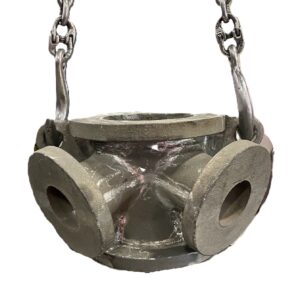
Rewarding skill with fair wages, advancement opportunities and clear career paths can make these trades attractive again. Schools can modernize vocational programs to include digital process control, simulation, and metallurgy, reconnecting students to modern manufacturing. Government support can amplify these efforts through tax incentives for training, investments in regional manufacturing centers, and policies that strengthen domestic production.
The Path Forward
The decline of skilled labor in the industry is more than just a labor shortage—it’s a reflection of how America values craftsmanship and self-reliance. It’s a harsh reality, but restoring pride in the trades, investing in human expertise, and embracing technology as a partner rather than a replacement are essential steps toward rebuilding that foundation.
The glow of molten metal has always symbolized transformation. With foresight and commitment, it can once again illuminate a stronger, more resilient future for American manufacturing.